
Upload a Picture
About this Site | Links | Random Pic | Advanced Search
Home | Latest Additions | Contributors
| Visitors
Fire Engine Photos
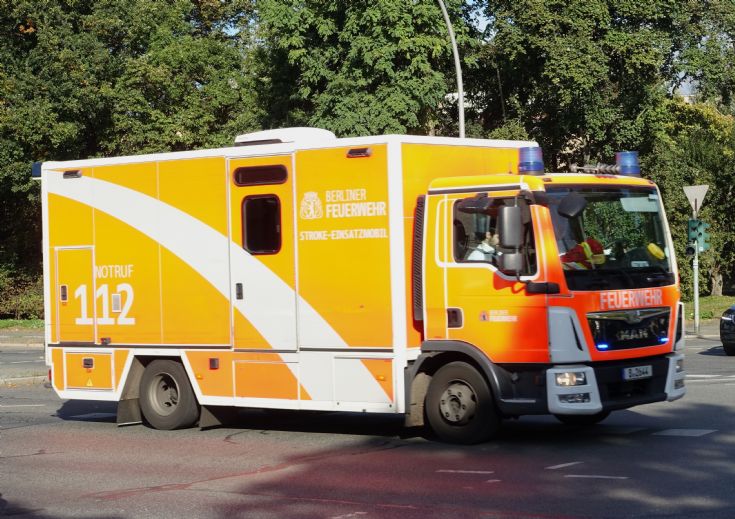
Some fire departments and EMS organizations in the US have also been acquiring larger truck based ambulances for these kinds of specialized roles too. They are based on International Navistar or Freightliner chassis, while traditional "normal" size ambulances are Ford, Chevrolet, GMC or Dodge Ram. as well as occasionally Mercedes Sprinter. I don't know if this trend to bigger "buses" is showing up in many other countries yet.
Ed: London FB acquired new Optare/Bence buses as incident control units, echoing the old old Ford Willowbrook and the Volvo they had
http://tinyurl.com/4xekje6w
Added by Rob Johnson on 29 December 2023.
Ed: London FB acquired new Optare/Bence buses as incident control units, echoing the old old Ford Willowbrook and the Volvo they had
http://tinyurl.com/4xekje6w
Added by Rob Johnson on 29 December 2023.
“Bus” is FDNY slang for an ambulance, going back to the old days when all ambulance crews did was “ swoop and scoop”, with a focus on getting injured or sick people to hospital as fast as possible, rather than actually rendering any meaningful medical assistance on the spot. As NYC EMS was famed for being notoriously slow and ineffective before it was actually taken over and merged with the fire department, the members christened their ambulances “buses”, because they were invariably slow to respond to incidents.
On this topic, I remember seeing an RTA video in which London rescue crews actually waited forty minutes fir an ambulance, purposely delaying extricating a car driver as medical help was nowhere near arriving. Fortunately the driver apparent survived, but no thanks to an amazingly slow EMS response.
In many countries EMS is a fire service responsibility, as it used to be in some British cities, and I can’t help wondering if this is not a better arrangement. It certain improved things very significantly in New York City.
Added by Rob Johnson on 29 December 2023.
On this topic, I remember seeing an RTA video in which London rescue crews actually waited forty minutes fir an ambulance, purposely delaying extricating a car driver as medical help was nowhere near arriving. Fortunately the driver apparent survived, but no thanks to an amazingly slow EMS response.
In many countries EMS is a fire service responsibility, as it used to be in some British cities, and I can’t help wondering if this is not a better arrangement. It certain improved things very significantly in New York City.
Added by Rob Johnson on 29 December 2023.
Hi Rob, in terms of accommodation, workshops etc that kind of joined up thinking feels like it has some clear benefits but the “politics” would be challenging. Happy new year to all!
Added by Peter McCombie on 30 December 2023.
Added by Peter McCombie on 30 December 2023.
Peter
Another benefit I can think of is that these joint fire and ambulance organizations typically make 80% or even more of their runs with ambulances, providing medical care to the public. This means they have a lot of interactions with members of the public - who see the service as useful, helpful and worthwhile. This helps reinforce positive attitudes the fire service as a whole, which reflects in better funding, better working conditions for members, and a much stronger motivation for unpaid volunteers, who represent over 70% of firefighters in most countries, and over 95% in places like Germany and Austria.
Added by Rob Johnson on 01 January 2024.
Another benefit I can think of is that these joint fire and ambulance organizations typically make 80% or even more of their runs with ambulances, providing medical care to the public. This means they have a lot of interactions with members of the public - who see the service as useful, helpful and worthwhile. This helps reinforce positive attitudes the fire service as a whole, which reflects in better funding, better working conditions for members, and a much stronger motivation for unpaid volunteers, who represent over 70% of firefighters in most countries, and over 95% in places like Germany and Austria.
Added by Rob Johnson on 01 January 2024.
MAN


3 Strokes EMS Units
3 Oversized patient EMS Units
1 Intensive EMS Unit
1 Highly contaminated patient EMS Unit
Added by Jacques PETER on 27 December 2023.