
Upload a Picture
About this Site | Links | Random Pic | Advanced Search
Home | Latest Additions | Contributors
| Visitors
Fire Engine Photos
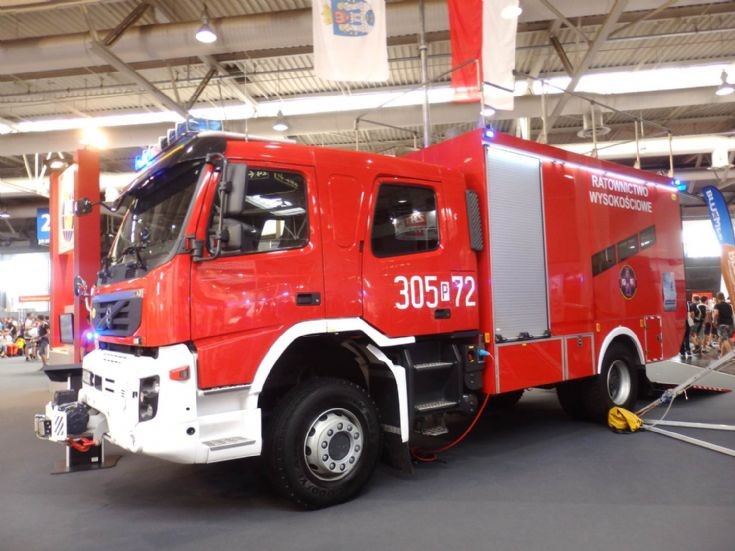
Most of Europe's Large/Medium cities I have visited have a high-rise unit, but in most case its just a special equipped Van, not a truck like the above.
Added by PETER JACQUES on 04 January 2023.
Added by PETER JACQUES on 04 January 2023.
I forgot to mention that these European High-rise unit are mainly "specialized teams" for rescues in hights/depth and complicated surroundings.
Added by PETER JACQUES on 04 January 2023.
Added by PETER JACQUES on 04 January 2023.
These kinds of trucks, such as the French GRIMP, are described in US fire department terminology as “line rescue”, “rope rescue” or sometimes “high angle rescue” units. They are quite different from high rise rescue tenders, which are equipped to help tackle fires in high rise buildings, variously described as having eight or more floors - and in some cities up to or even exceeding 100.
The US high rise tender carries equipment based on each department’s specific needs, reflecting their experience with handling fires in their high rise structures. Most are quite large and commodious. This includes additional hoses and fittings, long duration BA, water damage mitigation, smoke hoods, door opening tools, equipment to breach interior walls, lighting, ventilation fans and other items to supplement equipment already carried on engine, truck and rescue company rigs.
Most cities recognize the potential for disaster in a high rise fire, and respond on the initial alarm with considerable resources. In Chicago - which is typical - the first response includes four engines, two aerials, one heavy rescue, one snorkel, the high rise tender, three battalion chiefs, one ambulance and a police response which usually includes at least four units. The CFD headcount is around 48 firefighters.
Added by Rob Johnson on 04 January 2023.
Me too, every day it seems! There is so much to know about fire trucks, their equipment and the people who work with them, because there are always new ideas, new inventions and new ways of dealing with the threat of fire as well as other dangers.
Added by Rob Johnson on 06 January 2023.
Added by Rob Johnson on 06 January 2023.
Volvo


Added by Rob Johnson on 03 January 2023.