
Upload a Picture
About this Site | Links | Random Pic | Advanced Search
Home | Latest Additions | Contributors
| Visitors
Fire Engine Photos
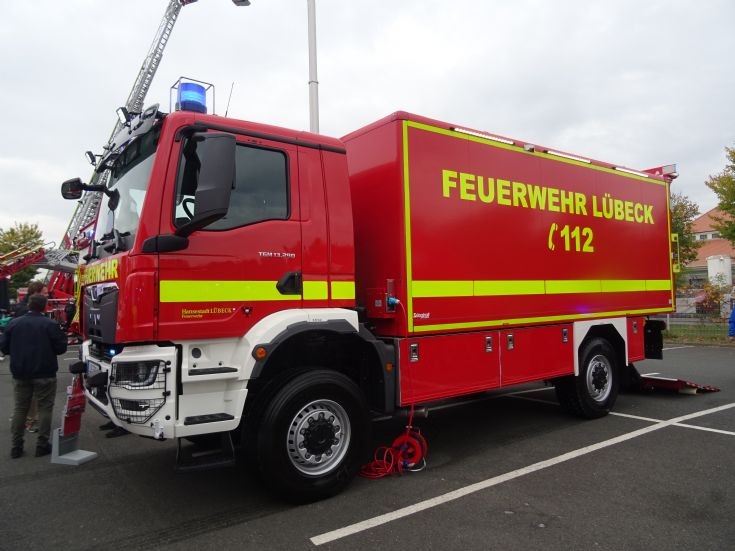
Perhaps I should add that a lot of the earlier logistics support trucks like this had crew cabs, but the newer ones are more often based on standard cab chassis. Although some volunteers have enough personnel responding to fill a six seat crew cab, most full time (and many volunteer) stations only staff these with one or two crew members.
Smaller logistics vans - typically around 5 tons - rarely ever had a crew cab.
Added by Rob Johnson on 31 October 2022.
Smaller logistics vans - typically around 5 tons - rarely ever had a crew cab.
Added by Rob Johnson on 31 October 2022.
MAN


Typical items include - but are not limited to - extra hoses, hose fittings, portable pumps, generators, lighting, fans, foam and foam equipment, hazmat gear, salvage items, BA sets and cylinders, protective suits and rescue tools.
They enable smaller fire departments to add resources without the expense of acquiring pods and pod carriers, as well as giving bigger cities an alternative to bringing out specialized pods to incidents where they are not really needed.
Added by Rob Johnson on 30 October 2022.